Building Business Systems with Claude Code
Claude Code is an AI coding agent that works inside a project's code: it reads files, runs commands, writes changes and explains what it did. For us it is a working tool, not magic. This page is not a step-by-step tutorial; it shows what we have built with it and where to see it.
What Claude Code is, in plain words
Instead of writing every line yourself, you describe what should happen. The agent reads the project, proposes a change, runs the checks and shows the result, and a person decides what goes in. The difference between such a tool and a working system is the scope, the checks and the care after launch.
Our CRM, built with Claude Code
Since June 2026 our CRM's code repository has taken 1,127 changes, and 802 of them carry Claude Code's signature. It is the system AIBOSSPRO runs on: one inbox for every conversation, deals, a calendar and one approvals list.
Websites: aibosspro.com and Glass World
This site was built with Claude Code: 62 of the 72 changes in its repository before this round. So was the site of Glass World, a New Jersey glass company: 24 of 27.
A WhatsApp front desk on Meta's models
At the Meta Global AI Developer Hackathon we built a front desk for a service business that runs on five of Meta's models, from transcribing a voice note to checking a design. 84 of its 86 changes were made with Claude Code, and Codex followed its install instructions from a clean copy to confirm they work as written.
GPT inside the systems
Our CRM is not locked to one provider: a GPT model can be chosen for its tasks, alongside the other models it works with. The model is picked for the task, not for the name.
Behind the scenes
Real captures from the systems on this page, each with the tool that built or runs it.
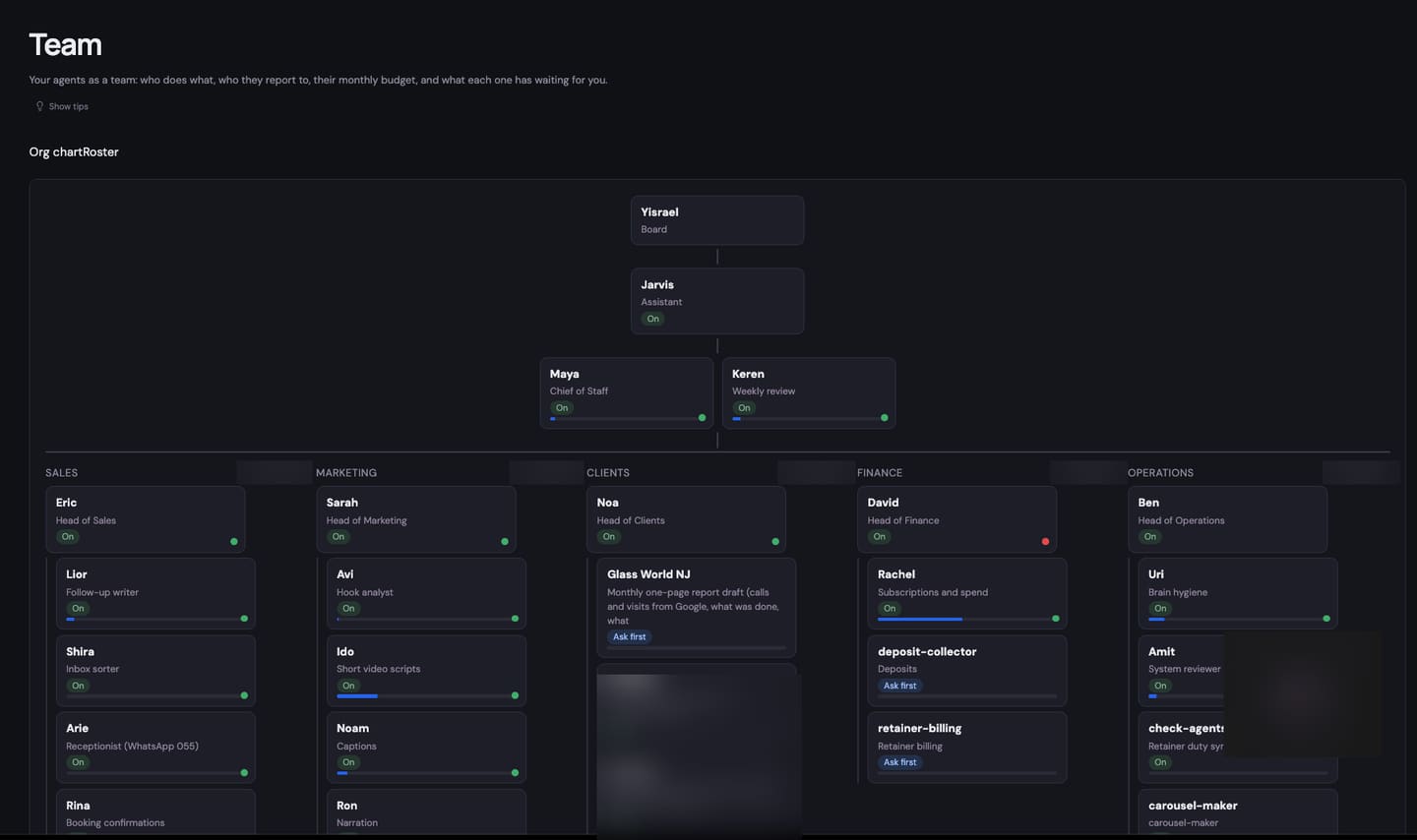
Claude Code and Supabase: the Team page of our live CRM, AI agents in five departments. 802 of the CRM's 1,127 changes since June 2026 were made with Claude Code; its data lives in Supabase. Budgets and client names blurred. 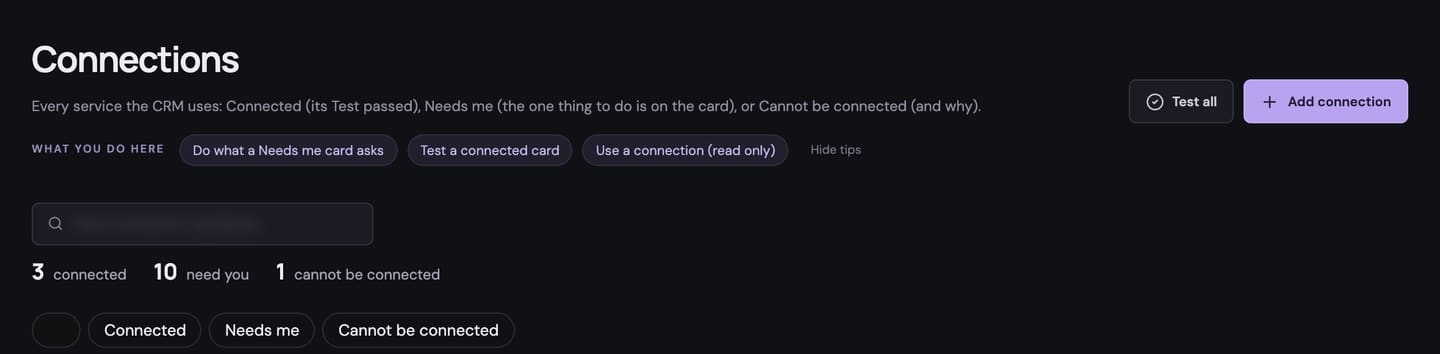
WhatsApp, Instagram, Facebook and email: every service the CRM reads and answers on is a card with its own test, counted on the Connections page. Sample data. 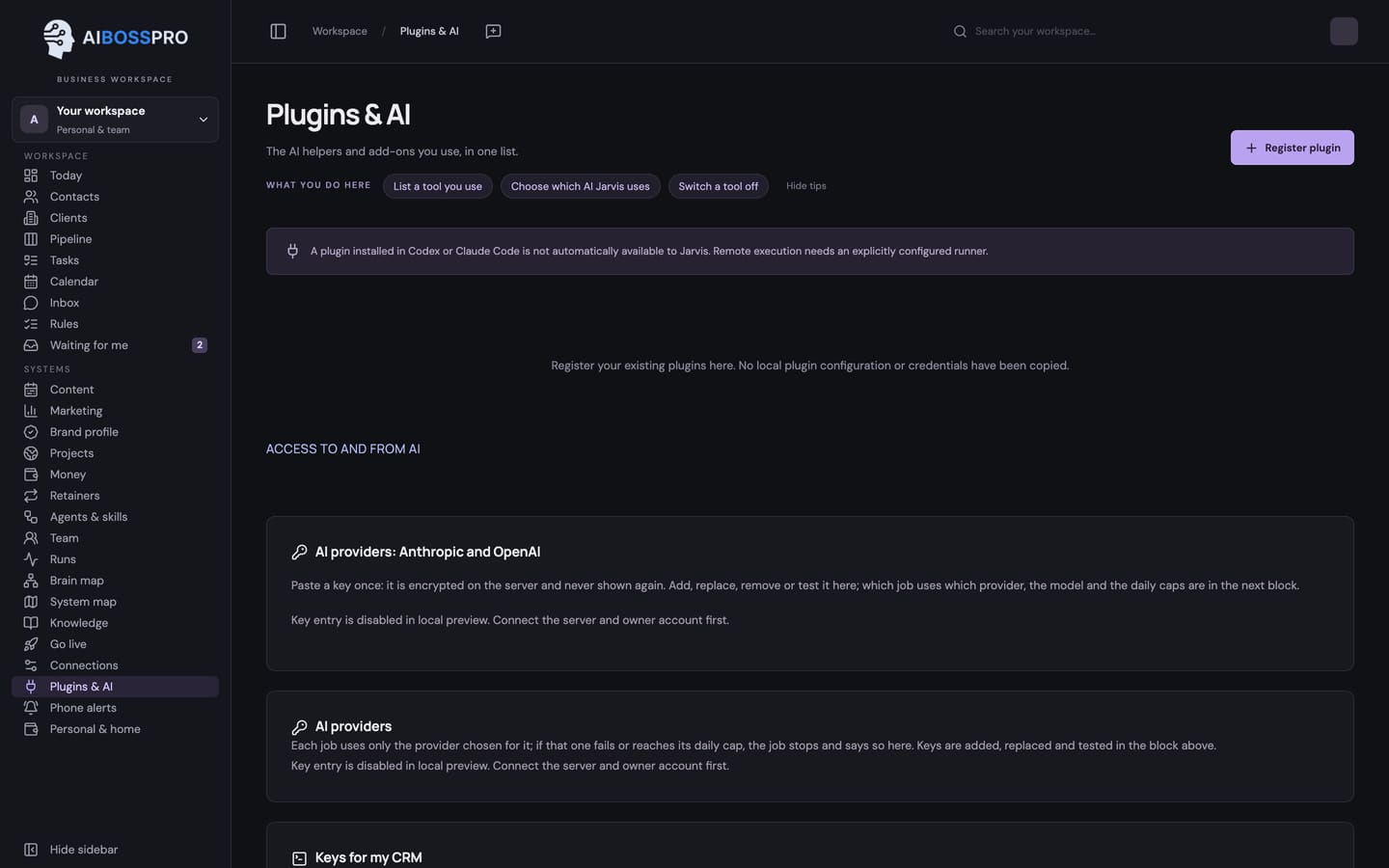
GPT: the CRM's AI providers page. Each job runs only on the provider chosen for it, a GPT model among them. Local preview. 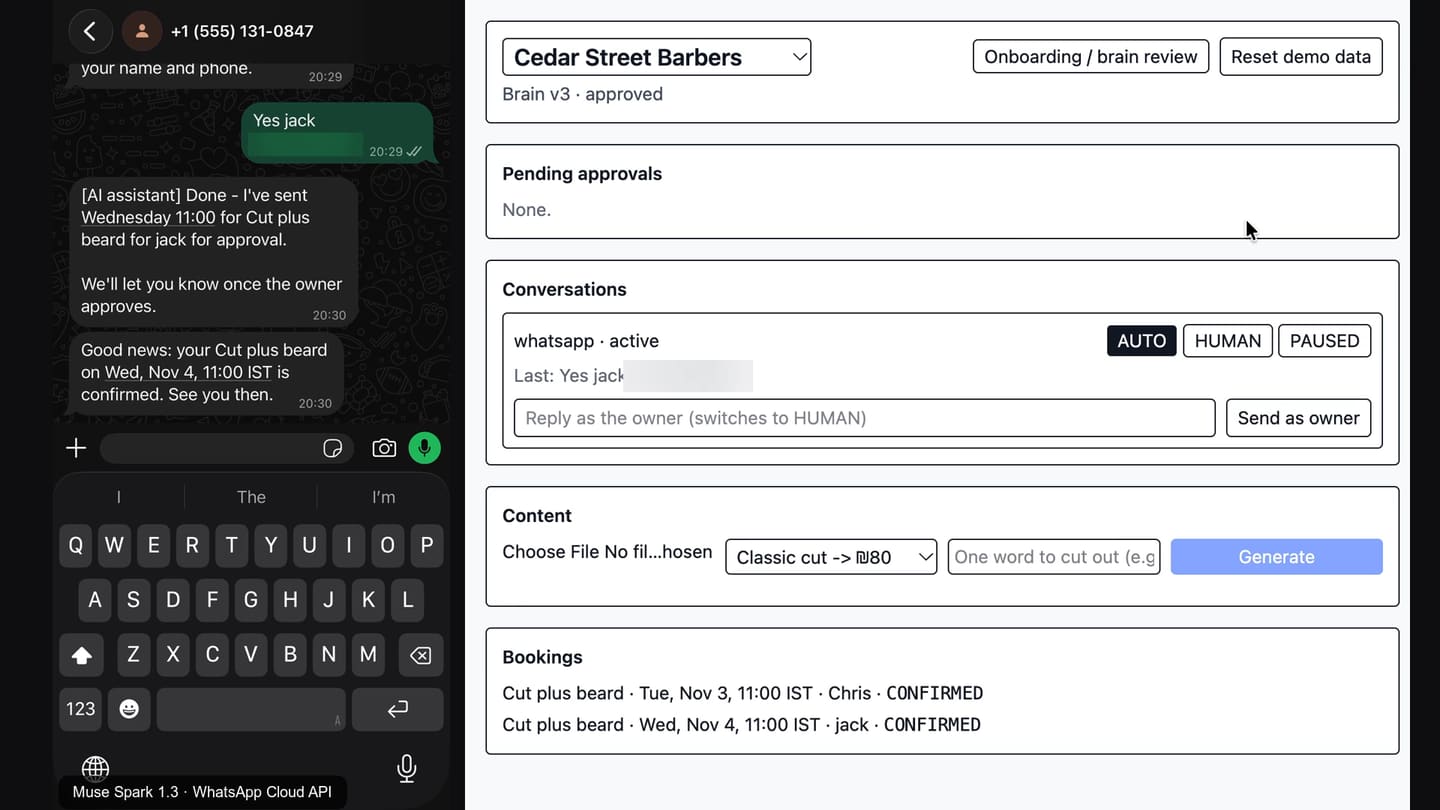
Meta's models and WhatsApp: the front desk built at the Meta Global AI Developer Hackathon books a slot on WhatsApp only after the owner approves. Fictional data. 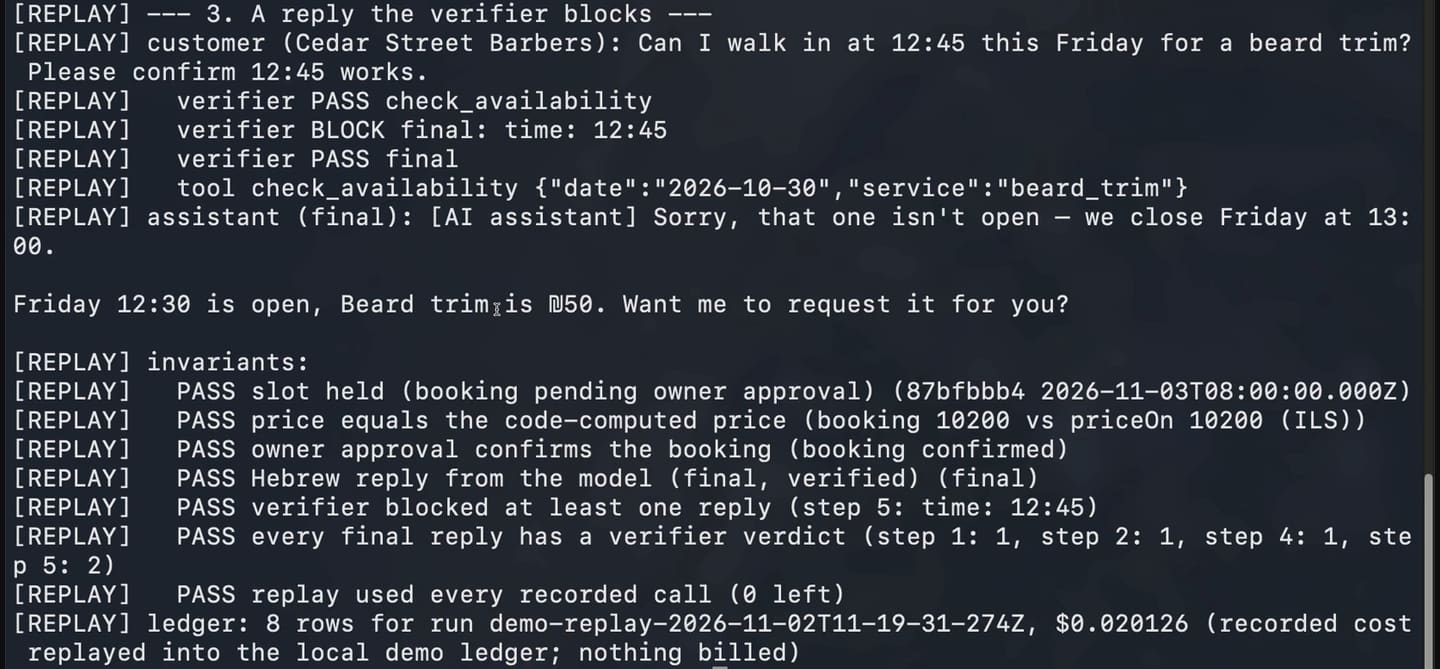
Claude Code and Codex: the hackathon build replays its recorded run and passes all seven checks. 84 of its 86 changes were made with Claude Code; Codex followed its install steps from a clean copy. 
Vercel: this site's home page, the build that ships to Vercel, scores 100 for performance, accessibility, best practices and SEO on mobile in Lighthouse.


The systems on this page


Want a system like this for your business?
A free 30-minute call, and you leave with a written scope.
Book a call